Exercise library
76 movements and 347 ways to do them: at home with nothing, or in the gym. Pick a body part, what you have, and your level. Each movement shows its easier and harder versions side by side.
Body part
Equipment
Movement
Level
exercises
No exercise matches all of that. Clear a filter or try another word.
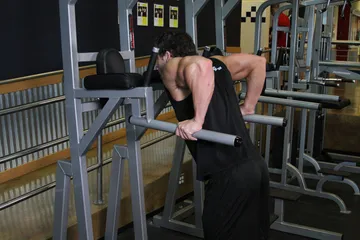
Dip
triceps
4 ways1 at home
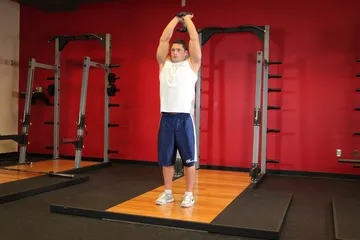
Triceps extension
triceps
5 ways3 at home
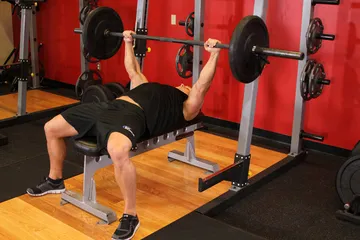
Bench press
chest
7 ways3 at home
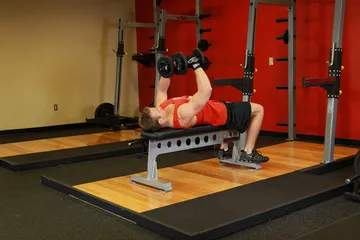
Chest fly
chest
5 ways3 at home
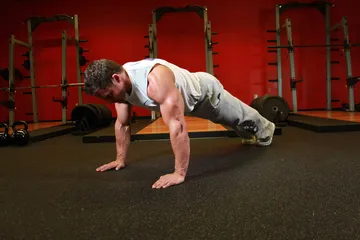
Push-up
chest
7 ways7 at home
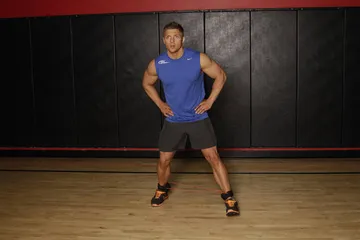
Hip abduction
abductors, glutes
4 ways2 at home
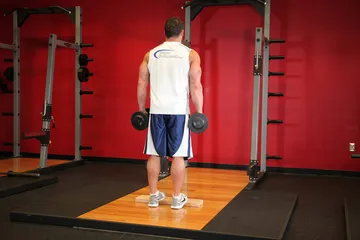
Calf raise
calves
6 ways4 at home
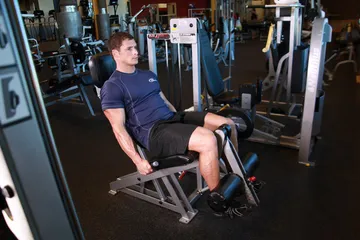
Leg extension
quadriceps
3 ways1 at home
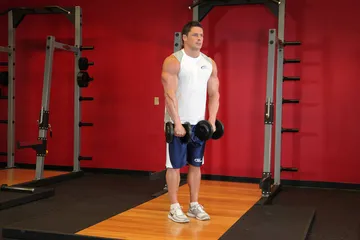
Front raise
shoulders
4 ways2 at home
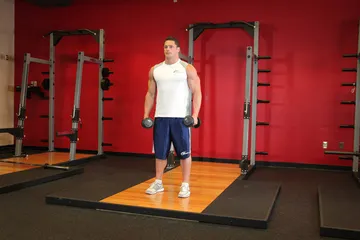
Lateral raise
shoulders
5 ways3 at home
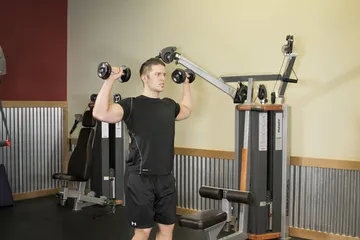
Overhead press
shoulders
6 ways3 at home
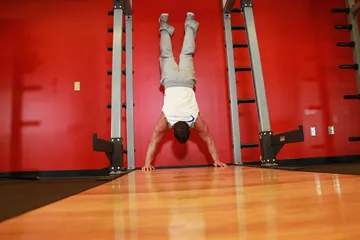
Pike push-up
shoulders
3 ways3 at home
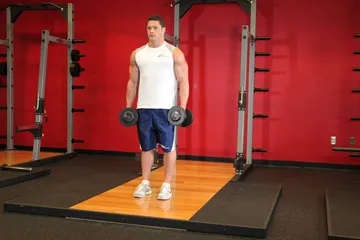
Biceps curl
biceps
7 ways5 at home
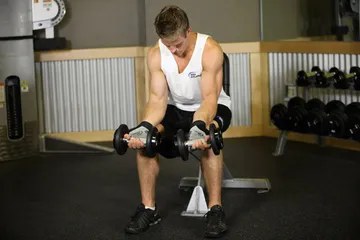
Wrist curl
forearms
4 ways3 at home
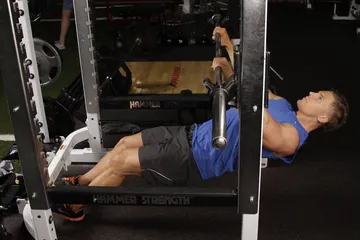
Inverted row
middle back
4 ways4 at home
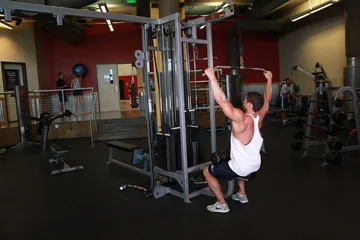
Lat pulldown
lats
4 ways1 at home
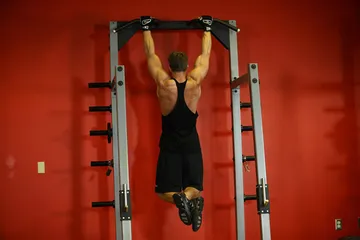
Pull-up
lats
7 ways5 at home
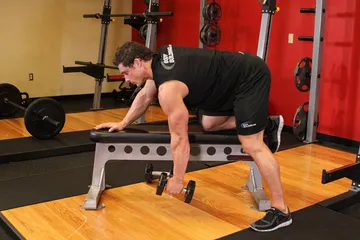
Row
middle back
6 ways3 at home
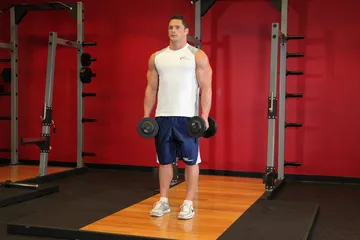
Shrug
traps
4 ways1 at home
Hip adduction
adductors
5 ways3 at home
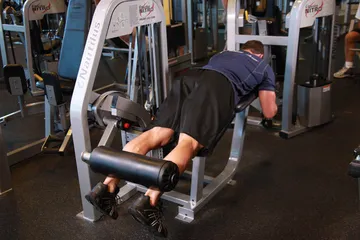
Leg curl
hamstrings
6 ways4 at home
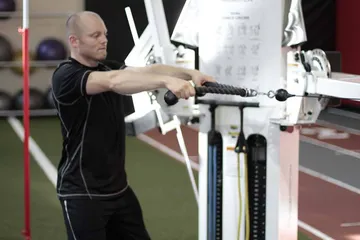
Face pull
shoulders
3 ways2 at home
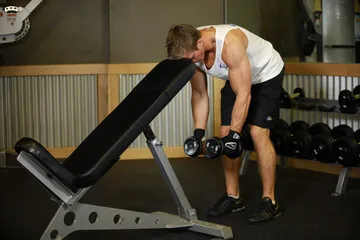
Rear-delt fly
shoulders
5 ways3 at home
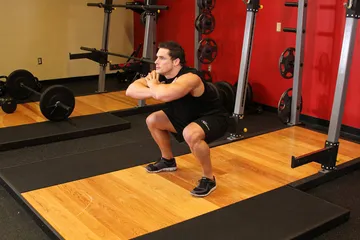
Jump squat
quadriceps, glutes
4 ways2 at home
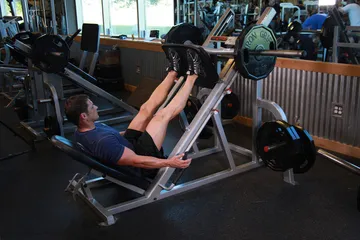
Leg press
quadriceps, glutes
4 ways
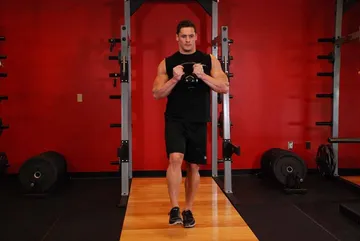
Single-leg squat
quadriceps, glutes
5 ways5 at home
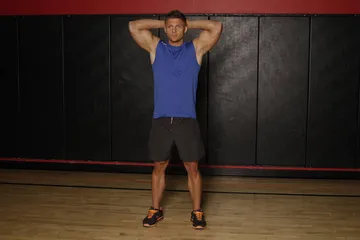
Squat
quadriceps, glutes
7 ways4 at home
Wall sit
quadriceps
4 ways4 at home
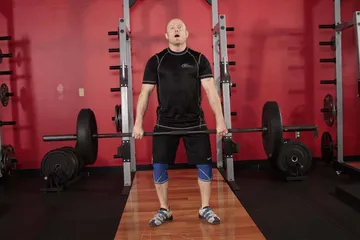
Clean
hamstrings, glutes, quadriceps
4 ways2 at home
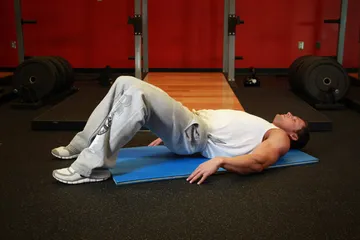
Hip thrust and glute bridge
glutes
6 ways4 at home
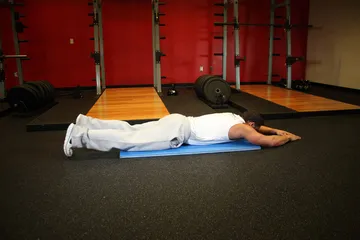
Back extension
lower back, glutes
3 ways1 at home
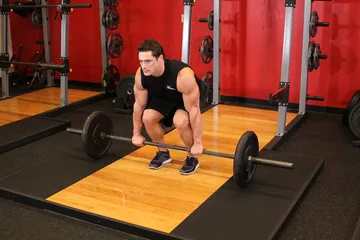
Deadlift
hamstrings, glutes, lower back
6 ways2 at home
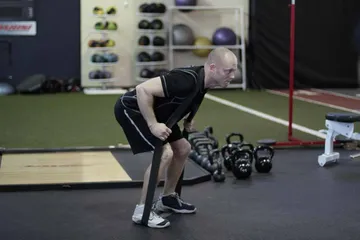
Good morning
hamstrings
3 ways2 at home
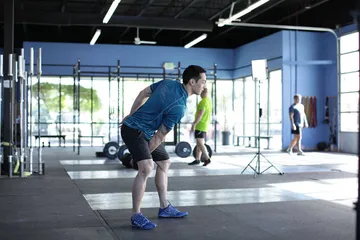
Kettlebell swing
glutes, hamstrings
4 ways4 at home
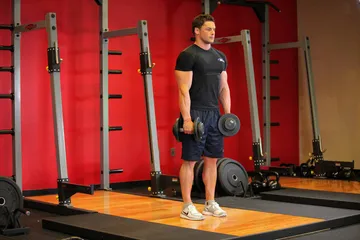
Romanian deadlift
hamstrings, glutes
5 ways4 at home
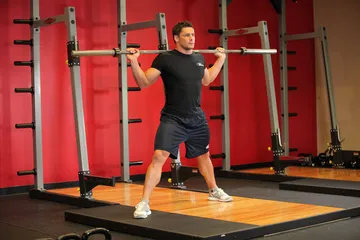
Lateral lunge
quadriceps, glutes, adductors
5 ways4 at home
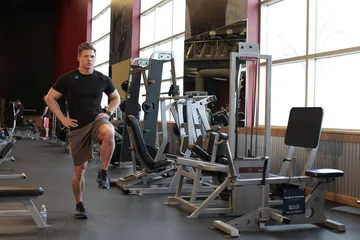
Lunge
quadriceps, glutes
7 ways6 at home
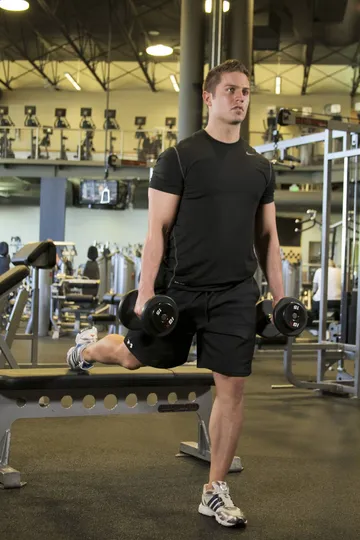
Split squat
quadriceps, glutes
7 ways5 at home
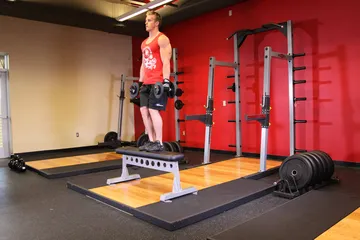
Step-up
quadriceps, glutes
5 ways4 at home
Farmer carry
forearms, traps
4 ways3 at home
Front rack carry
abdominals, shoulders
3 ways3 at home
Overhead carry
shoulders
4 ways4 at home
Suitcase carry
abdominals, forearms
4 ways3 at home
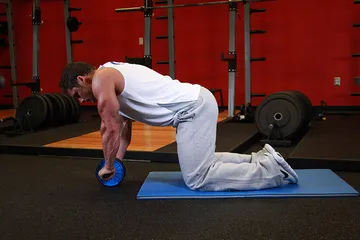
Ab wheel rollout
abdominals
5 ways3 at home
Bird dog
abdominals, lower back
4 ways4 at home
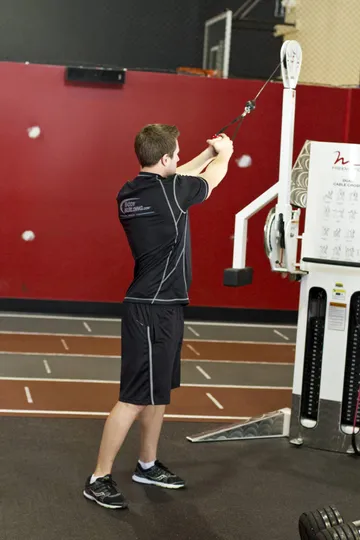
Woodchop
abdominals
4 ways2 at home
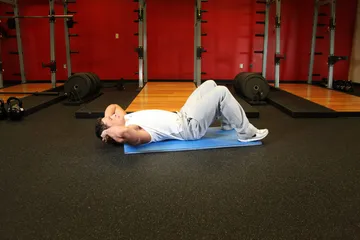
Crunch
abdominals
5 ways4 at home
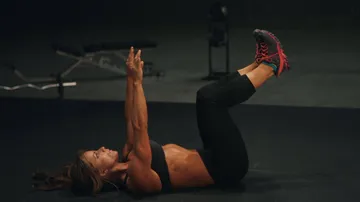
Dead bug
abdominals
3 ways3 at home
Hollow hold
abdominals
3 ways3 at home
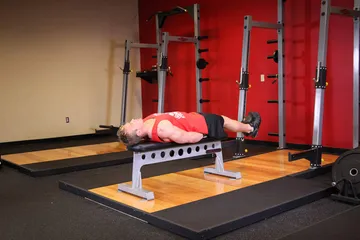
Leg raise
abdominals
5 ways4 at home
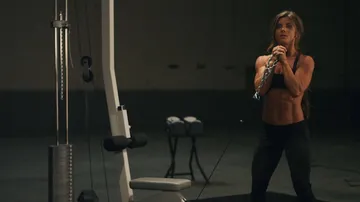
Pallof press
abdominals
4 ways2 at home
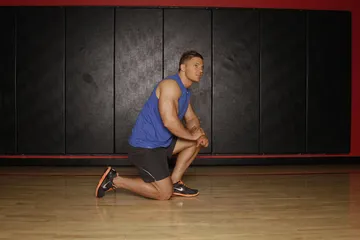
Plank
abdominals
5 ways5 at home
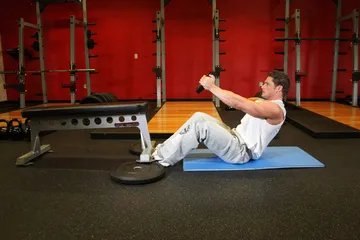
Russian twist
abdominals
4 ways4 at home
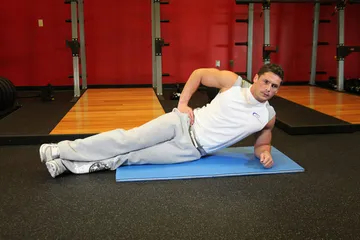
Side plank
abdominals
4 ways4 at home
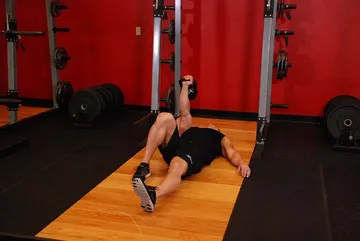
Turkish get-up
shoulders, abdominals
5 ways5 at home
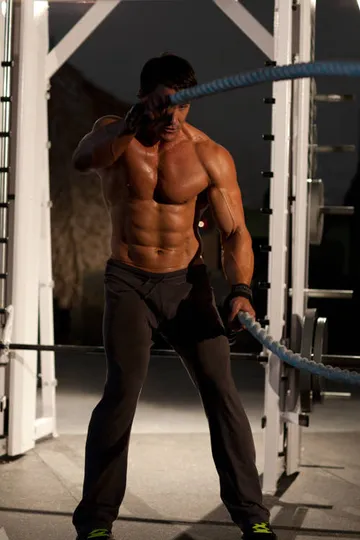
Battle rope
shoulders
3 ways
Box jump
quadriceps, glutes
3 ways2 at home
Burpee
quadriceps, chest
4 ways3 at home
High knees
quadriceps
4 ways4 at home
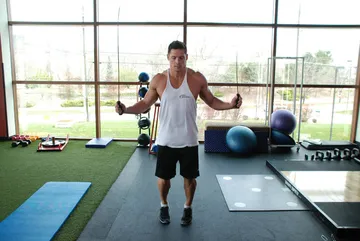
Jump rope
calves
4 ways4 at home
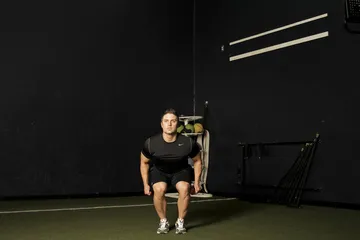
Jumping jack
calves, shoulders
4 ways4 at home
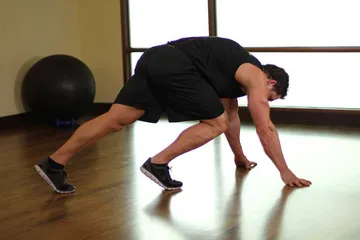
Mountain climber
quadriceps, abdominals
3 ways3 at home
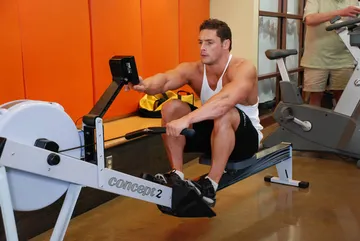
Rowing machine
quadriceps, middle back
3 ways
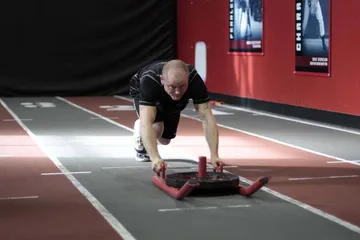
Sled push
quadriceps, glutes
4 ways
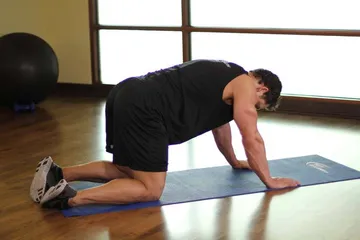
Cat-cow
lower back
4 ways4 at home
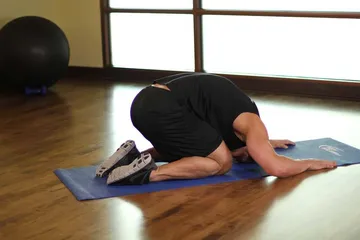
Child's pose
lower back
4 ways4 at home
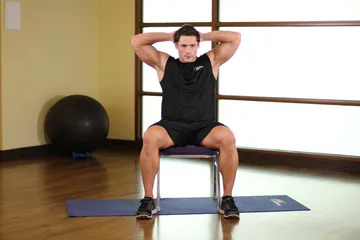
Thoracic rotation
middle back
5 ways5 at home
Downward dog
hamstrings, calves
5 ways5 at home
Sun salutation
hamstrings, shoulders
4 ways4 at home
Tai chi weight shift
quadriceps, glutes
5 ways5 at home
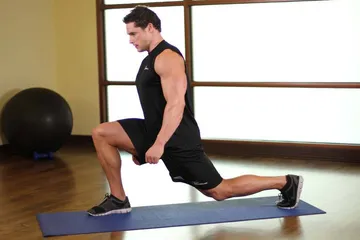
World's greatest stretch
hamstrings, quadriceps
5 ways4 at home
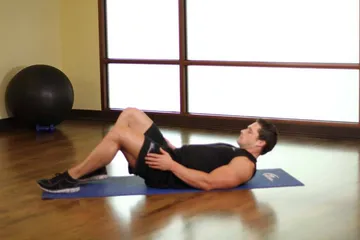
Pigeon stretch
glutes
5 ways5 at home
Deep squat hold
quadriceps, glutes
5 ways5 at home
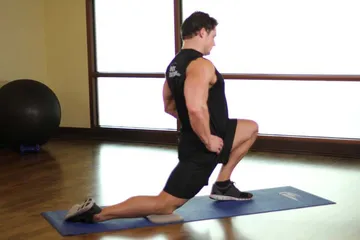
Half-kneeling hip flexor stretch
quadriceps
5 ways5 at home
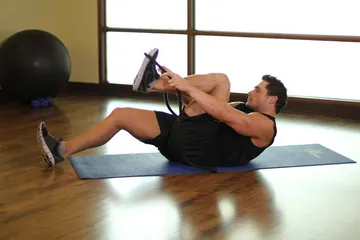
Hamstring stretch
hamstrings
5 ways5 at home
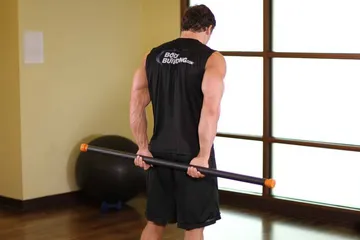
Shoulder pass-through
shoulders
4 ways4 at home
By muscle
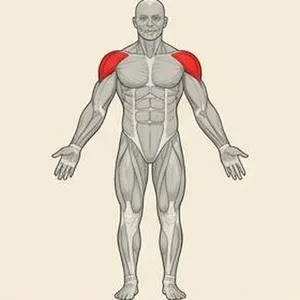
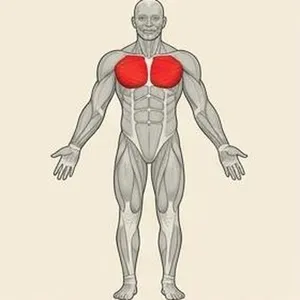
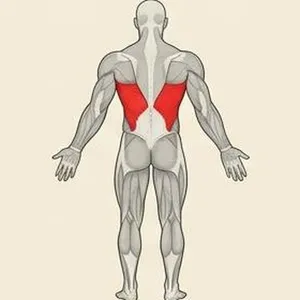
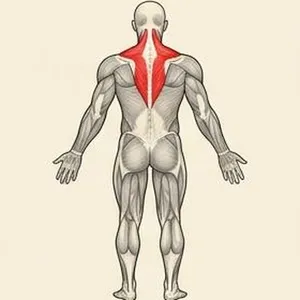
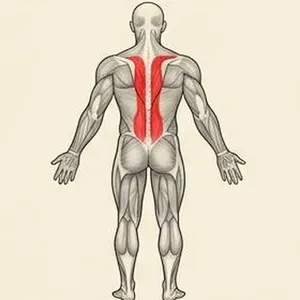
Pick a muscle to see every exercise that works it, with its start and finish position.
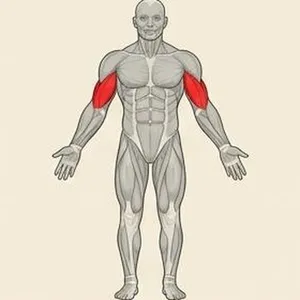
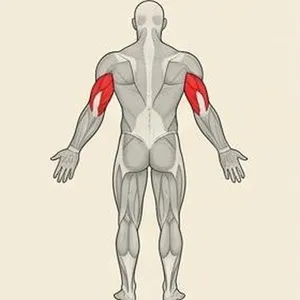
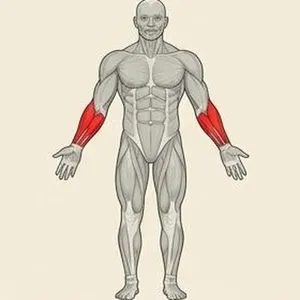
Arms
Shoulders and chest
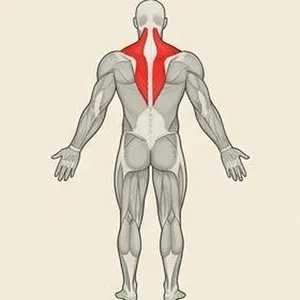
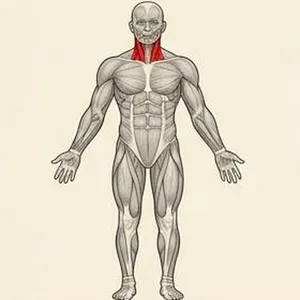
Back and neck
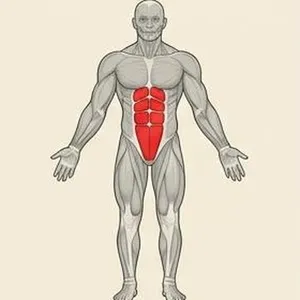
Core
Hips and legs
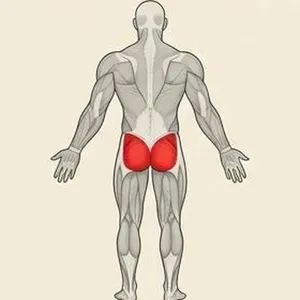
Glutes
242 exercises
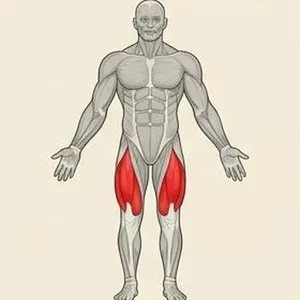
Quads
227 exercises
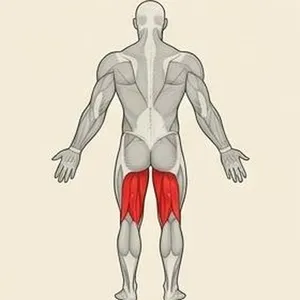
Hamstrings
277 exercises
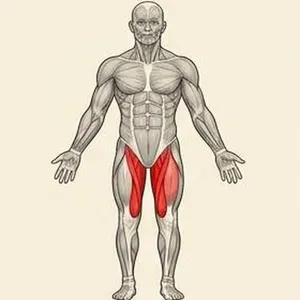
Inner thighs
54 exercises
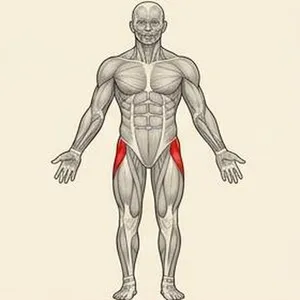
Outer hips
43 exercises
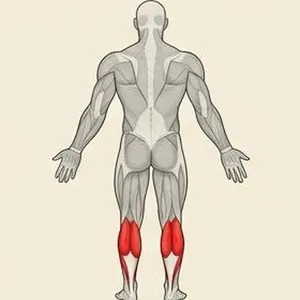
Calves
209 exercises
Styles and programs
29 ways people train, from push/pull/legs to tai chi and Muay Thai conditioning.
Kind
Level
styles
No style matches that yet.
Full body, three days a week
Every session trains the whole body: a squat or lunge, a hinge, a push, a pull and some core. Each muscle group gets worked several times a week with only a few sessions.
Gym culture
Push / pull / legs
Training is split by movement: pushing muscles one day, pulling muscles the next, then legs. Each day stays focused, and the cycle can run three or six days a week.
Gym culture
Upper / lower
Days alternate between upper body and lower body. Four sessions a week gives each half of the body two days of work.
Gym culture
Body-part split (one muscle group a day)
Each day is given to one or two muscle groups, such as chest, back, legs, shoulders and arms. Lots of exercises and sets go into a single area on its day.
Bodybuilding gym culture
Beginner linear strength
A short list of big barbell lifts, repeated every session, adding a little weight each time the last session went well. Simple to follow and easy to track in a notebook.
Gym culture
Powerlifting
A strength sport built on three lifts: the squat, the bench press and the deadlift. Lifters get three attempts at each, and the heaviest good lifts are added into a total.
Strength sport (USA and Britain)
Olympic weightlifting
A sport of two fast lifts that take the bar from the floor to overhead: the snatch, in one movement, and the clean and jerk, in two. Speed, timing and flexibility matter as much as raw strength.
Olympic sport
Strongman-style training
Training with awkward, heavy objects: carrying, pushing, dragging and pressing things that are not shaped like a barbell. Gyms use stones, logs, yokes, sleds and heavy handles.
Strength sport (Europe and North America)
Bodybuilding
Training aimed at muscle size and shape, with competitors judged on stage on how they look. Workouts use many exercises per muscle, controlled reps and close attention to how each muscle feels.
Gym culture
Circuit training
A loop of exercises done one after another with little rest, then repeated. It mixes strength moves and conditioning so a whole session fits into a short time.
Britain
HIIT (high-intensity interval training)
Short bursts of very hard effort separated by easy recovery. The work intervals are hard enough that you could not keep the pace going for long.
Sports training
Tabata intervals
An interval protocol named after Japanese researcher Izumi Tabata: 20 seconds of all-out effort, 10 seconds of rest, repeated for eight rounds, four minutes in all. The original work used a stationary bike at a very high effort; many classes now use the same timing for easier moves.
Japan
EMOM and AMRAP conditioning
Two clock-based formats for mixed workouts. EMOM means every minute on the minute: start a set at the top of each minute and rest for what is left. AMRAP means as many rounds as possible in a set time.
Gym culture
Calisthenics
Strength training with body weight: push-ups, pull-ups, dips, squats and harder skills built from them. Exercises get harder by changing leverage instead of adding plates.
Worldwide (the word is Greek)
Street workout
Calisthenics on outdoor bars in public parks, grown into a community with its own shows and competitions. Alongside strength work, people practise freestyle skills and bar tricks.
Street-workout culture (public parks in the USA and Eastern Europe)
Yoga basics
A practice from India that, in most modern classes, links postures (asanas) with steady breathing. Many schools exist; a basic class moves through standing, kneeling and floor postures, often with sun salutations.
India
Mobility routine
A short set of moves that take the main joints through their range, used as a warm-up, a cool-down or on its own. It mixes slow stretches with controlled movement.
Gym culture
Pilates-style core training
Inspired by the method Joseph Pilates, born in Germany, developed and taught in New York. Mat work uses slow, precise moves with control of the trunk and breath; studios also use spring machines.
Germany / USA (Joseph Pilates)
Running basics (walk-run start)
Starting to run by mixing short running stretches into walks and slowly making the running parts longer. The pace stays easy enough to talk.
Worldwide
Kettlebell sport (girevoy sport)
A Russian endurance sport with kettlebells, called girevoy sport. Lifters perform the jerk, the snatch or the long cycle (clean and jerk) for as many reps as possible in a timed set, often ten minutes, without setting the bell down.
Russia
Tai chi
A Chinese martial art practised today mostly as slow, flowing forms: sequences of linked movements done with even weight shifts and calm breathing. Several family styles exist, such as Chen and Yang.
China
Radio taiso
Japan's daily radio exercise: a few minutes of simple calisthenics done to piano music and spoken instructions broadcast on national radio. People do it together in schools, workplaces and local parks, often in the morning.
Japan
Muay Thai conditioning
The fitness side of Thailand's national combat sport, as trained in Thai camps: running, skipping rope, shadow movement, and body-weight work for the trunk and legs. This entry covers conditioning only, not fighting.
Thailand
Capoeira movement
An Afro-Brazilian art that blends martial art, acrobatics, dance and music, played in a circle called the roda to the rhythm of the berimbau. Its base step, the ginga, is a constant side-to-side rocking movement; this entry covers movement and conditioning only.
Brazil
Varzesh-e pahlavani (zurkhaneh)
Iran's traditional athletic ritual, practised in a zurkhaneh ('house of strength') around a sunken ring. A leader called the morshed drums and chants poetry while athletes do push-ups on a low board, swing heavy wooden clubs called meels, and spin in place. It is on UNESCO's list of intangible cultural heritage.
Iran
Vovinam conditioning
Vovinam (Việt Võ Đạo) is a Vietnamese martial art founded by Nguyễn Lộc, practised in its blue uniform in clubs in Vietnam and abroad. Classes include a lot of general conditioning; this entry covers that side only, not fighting.
Vietnam
Vietnamese park morning exercise
In Vietnamese cities many people exercise in parks and around lakes in the early morning before work: brisk walking, group aerobics to music, badminton, stretching and slow tai chi-like routines. It is everyday, social exercise rather than a fixed system.
Vietnam
Nordic walking
Walking with two specially designed poles, planting each pole in time with the opposite foot so the arms push as the legs step. It came from summer training for cross-country skiers in Finland.
Finland
Square dancing (guangchang wu)
Group dancing in public squares and parks across China, mostly in the evening or early morning, done in lines to music from a portable speaker. Many dancers are middle-aged and older women; routines are simple and repeated.
China
If you have a health condition or an injury, check with a doctor or a qualified professional before you start.
Exercise pictures: free-exercise-db (public domain). Words: Son Sunny's own. General information for healthy adults, not medical advice.